
A successful digital brand strategy starts with a deep understanding of your target audience. As consumer expectations continue to rise, knowing your audience’s needs, preferences, and behaviours is crucial for crafting messages that resonate and creating experiences that build lasting connections. By investing in thorough audience research and segmentation, CEOs and CMOs can lay a strong foundation for their brand strategy, ensuring every marketing effort is relevant, personalized, and impactful.
The Importance of Knowing Your Audience
In the digital age, consumers have become more discerning and selective about the brands they engage with. Research from HubSpot indicates that 71% of consumers expect personalized interactions with brands, while McKinsey reports that businesses using advanced audience insights achieve up to 5-8 times higher ROI on marketing campaigns. This data highlights a key point: brands that take the time to understand their audience are far better positioned to connect on a deeper, more meaningful level.
Step 1: Conduct In-Depth Market Research
To truly understand your target audience, you must go beyond basic demographic data and delve into psychographic and behavioural insights. Here’s how to get started:
- Demographic Analysis: Use tools like Google Analytics and Facebook Audience Insights to gather basic demographic information such as age, gender, location, and income level. This data provides a starting point for defining who your audience is.
- Psychographic Profiling: Understand your audience’s lifestyle, values, interests, and pain points. Use surveys, focus groups, and social listening tools like Brandwatch or Sprout Social to gather deeper insights into what motivates your audience and what issues they care about.
- Behavioral Data Analysis: Analyze user behavior on your website, social media, and email campaigns. Tools like Hotjar and Mixpanel can help you track how users interact with your content, revealing patterns in their preferences and identifying potential friction points in the customer journey.
Step 2: Segment Your Audience Effectively
Audience segmentation is a critical step in delivering personalized experiences that resonate. Rather than treating your audience as a homogenous group, segmentation allows you to tailor your messaging and marketing efforts to meet the specific needs of different subgroups.
Key Segmentation Criteria:
- Demographic Segmentation: Divide your audience based on demographics like age, gender, location, and income. For example, a fashion brand might segment its audience into different age groups (Gen Z, Millennials, Baby Boomers) to tailor product recommendations.
- Psychographic Segmentation: Segment your audience based on lifestyle, values, and interests. A health and wellness brand might create segments for fitness enthusiasts, mindful eaters, and environmentally conscious consumers.
- Behavioral Segmentation: Use behavioral data to identify groups based on how users interact with your brand. For example, segment users who frequently purchase high-ticket items separately from those who only engage during promotions.
Spotify’s Audience Segmentation Spotify leverages advanced audience segmentation to deliver personalized music recommendations. By analyzing user data, Spotify creates curated playlists like “Discover Weekly,” which cater to individual music preferences. This personalization strategy has significantly increased user engagement and loyalty, demonstrating the power of effective segmentation.

Step 3: Create Detailed Buyer Personas
Once you’ve segmented your audience, the next step is to create buyer personas. A buyer persona is a semi-fictional representation of your ideal customer, based on data and research. Personas help you understand your customers’ needs, challenges, and behaviors, allowing you to tailor your marketing strategy accordingly.
How to Create Buyer Personas
- Gather Data: Use insights from demographic, psychographic, and behavioral analysis to inform your personas. Include details like age, job title, education, goals, challenges, and preferred communication channels.
- Identify Pain Points and Needs: Understand the specific problems your audience faces and how your brand can solve them. For example, a B2B software company might have a persona called “Tech-Savvy Tim,” who is focused on streamlining processes and values efficient, user-friendly solutions.
- Define Preferred Touchpoints: Identify where your audience spends their time online (social media, search engines, forums) and how they prefer to engage with brands (email, social media, direct messaging).
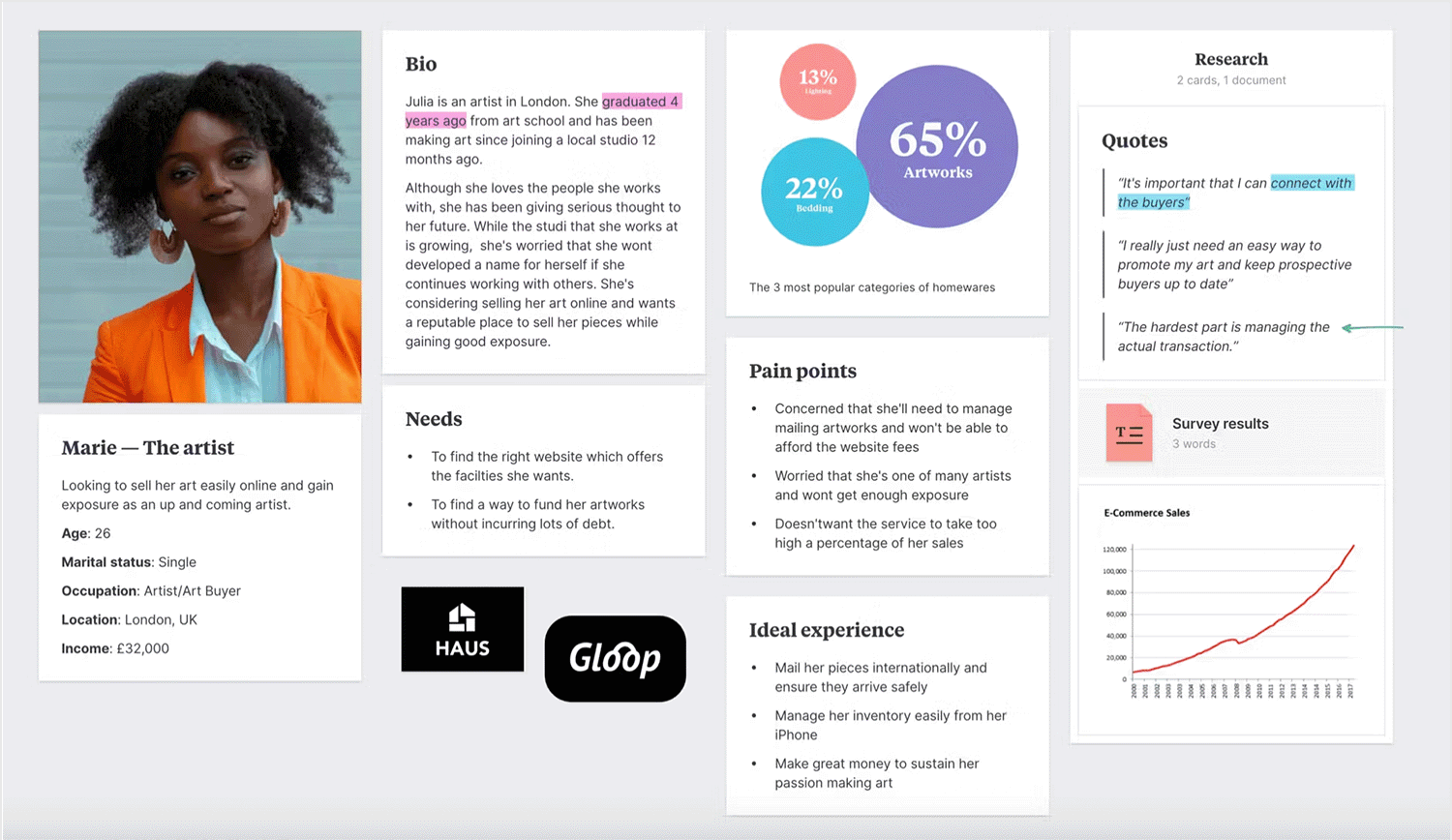
Example Persona
- Name: Social Sarah
- Demographics: 28-year-old marketing manager, based in New York City.
- Psychographics: Values convenience, is active on Instagram and LinkedIn, enjoys wellness and fitness content.
- Challenges: Struggles with finding reliable information and prefers brands that offer quick, clear answers.
- Goals: Seeks to save time by using services that streamline her busy lifestyle.
- Preferred Channels: Instagram, LinkedIn, Email.
Practical Tip: Use tools like HubSpot’s Persona Creator or Xtensio to build detailed, visually appealing personas that can be shared across your organization.
Step 4: Validate and Continuously Update Your Personas
Building personas is not a one-time task. As market conditions change and your business grows, your audience may also evolve. Regularly update your personas based on new data, feedback, and changes in consumer behavior.
How to Validate Your Personas:
- Customer Feedback: Collect feedback through surveys, social media polls, and customer service interactions. Listen to what your customers are saying and adjust your personas accordingly.
- A/B Testing: Use A/B testing in your email campaigns and landing pages to see which messaging resonates better with your audience segments. This can provide valuable insights for refining your personas.
- Social Listening: Monitor social media conversations and trends to identify any shifts in audience interests or preferences.
Real-World Example: Netflix’s Use of Behavioral Data
Netflix is a master at understanding its audience through data-driven insights. By analyzing viewing behaviour, Netflix segments its audience into various personas and tailors recommendations to fit their preferences. This approach has led to higher engagement and user satisfaction, as customers feel that the platform “gets them” and offers content they are genuinely interested in.
The Power of Audience Understanding
Investing time and resources into understanding your target audience pays off significantly. By conducting thorough market research, segmenting effectively, and building detailed buyer personas, you set the stage for a digital brand strategy that is not only data-driven but also deeply aligned with the needs and desires of your customers. This alignment will help you craft compelling messages, build stronger connections, and drive meaningful engagement, setting your brand apart in a crowded digital landscape.
In the next section, we’ll dive into defining your brand’s unique value proposition (UVP) and how it can help you differentiate your brand in a competitive market.
Defining Your Brand’s Unique Value Proposition (UVP)
A strong digital brand strategy hinges on a clear and compelling Unique Value Proposition (UVP). Your UVP is the backbone of your brand identity; it articulates why your target audience should choose your brand over competitors. It’s not just about what you offer, but why it matters to your customers. For CEOs and CMOs, defining a UVP that resonates with the target audience is critical for building differentiation, trust, and long-term loyalty.
What is a Unique Value Proposition?
A Unique Value Proposition is a concise statement that highlights the core benefits of your product or service, explains how it solves a customer problem, and sets you apart from competitors. It should answer three key questions:
- What problem does your product solve?
- What specific benefits does it provide?
- Why is it better or different from alternatives in the market?
Your UVP should be the first thing potential customers understand about your brand, whether they visit your website, see your social media posts, or encounter your ads. According to research by McKinsey, businesses that communicate a clear UVP see up to a 35% increase in customer acquisition and retention rates.
Step 1: Analyze Your Target Audience’s Pain Points and Needs
Before crafting your UVP, you need a deep understanding of your audience’s needs, pain points, and desires. Drawing from your audience research (Section 1.1), focus on what matters most to your customers.
How to Identify Key Pain Points:
- Customer Feedback: Analyze customer reviews, surveys, and feedback forms to identify common challenges and frustrations.
- Competitor Analysis: Study your competitors’ reviews to understand gaps in their offerings and unmet customer needs.
- Social Listening: Use tools like Brandwatch or Mention to monitor conversations about your industry on social media. Identify recurring themes and pain points.
Example: When developing its UVP, Slack identified a key pain point among its target audience—communication overload in the workplace. Slack’s UVP, “Where Work Happens,” speaks directly to this need, positioning itself as a solution for streamlined, effective team communication.
Defining Your Brand’s Unique Value Proposition (UVP)
A strong digital brand strategy hinges on a clear and compelling Unique Value Proposition (UVP). Your UVP is the backbone of your brand identity; it articulates why your target audience should choose your brand over competitors. It’s not just about what you offer, but why it matters to your customers. For CEOs and CMOs, defining a UVP that resonates with the target audience is critical for building differentiation, trust, and long-term loyalty.
What is a Unique Value Proposition?
A Unique Value Proposition is a concise statement that highlights the core benefits of your product or service, explains how it solves a customer problem, and sets you apart from competitors. It should answer three key questions:
- What problem does your product solve?
- What specific benefits does it provide?
- Why is it better or different from alternatives in the market?
Your UVP should be the first thing potential customers understand about your brand, whether they visit your website, see your social media posts, or encounter your ads. According to research by McKinsey, businesses that communicate a clear UVP see up to a 35% increase in customer acquisition and retention rates.
Step 1: Analyze Your Target Audience’s Pain Points and Needs
Before crafting your UVP, you need a deep understanding of your audience’s needs, pain points, and desires. Drawing from your audience research (Section 1.1), focus on what matters most to your customers.
How to Identify Key Pain Points:
- Customer Feedback: Analyze customer reviews, surveys, and feedback forms to identify common challenges and frustrations.
- Competitor Analysis: Study your competitors’ reviews to understand gaps in their offerings and unmet customer needs.
- Social Listening: Use tools like Brandwatch or Mention to monitor conversations about your industry on social media. Identify recurring themes and pain points.
Example: When developing its UVP, Slack identified a key pain point among its target audience—communication overload in the workplace. Slack’s UVP, “Where Work Happens,” speaks directly to this need, positioning itself as a solution for streamlined, effective team communication.
Step 2: Highlight Your Core Benefits and Differentiators
A strong UVP is not just about listing features; it focuses on the specific benefits that resonate most with your audience. To do this effectively, identify your unique selling points (USPs) and the core benefits that align with customer needs.
Key Elements to Consider:
- Functional Benefits: What tangible, measurable advantages does your product offer? For example, faster processing times, cost savings, or enhanced convenience.
- Emotional Benefits: How does your product make your customers feel? Emotional benefits often create a stronger connection, such as feelings of confidence, security, or belonging.
- Unique Differentiators: What sets you apart from the competition? This could be a proprietary feature, a unique business model, or an exceptional customer experience.
Case Study: Dollar Shave Club’s UVP Dollar Shave Club disrupted the shaving industry with a clear, direct UVP: “A Great Shave for a Few Bucks a Month.” It highlights the core benefit (affordable, quality razors delivered to your door) while emphasizing its unique differentiator (convenience and cost savings). This straightforward UVP resonated strongly with budget-conscious, time-pressed consumers.
Step 3: Craft a Clear, Concise UVP Statement
Your UVP should be easy to understand, memorable, and compelling. Aim for one or two sentences that communicate your core benefits and differentiators clearly. Avoid jargon and focus on language that resonates with your audience.
Formula for a Strong UVP:
- [What You Offer] + [Who It’s For] + [The Main Benefit or Solution]
- Optional: Include a differentiator or emotional appeal.
Example UVPs:
- Airbnb: “Belong Anywhere” – Emphasizes the emotional benefit of feeling at home, no matter where you travel.
- Trello: “Trello helps teams work more collaboratively and get more done.” – Highlights the core functional benefit (improved productivity and collaboration).
- Shopify: “Start Your Business, Grow Your Business.” – Appeals directly to entrepreneurs looking for an all-in-one solution to build and scale their business.

Step 4: Test and Validate Your UVP
Once you have a draft UVP, it’s important to test it with your target audience. Validation ensures that your message resonates and that you are communicating the right benefits effectively.
Methods for Validation:
- A/B Testing: Use A/B testing on landing pages, ads, and email subject lines to see which version of your UVP performs better.
- Customer Feedback: Share your UVP with a focus group or send a survey to your existing customers. Ask them if it clearly communicates the value of your product and what they find most appealing.
- Social Media Polls: Use polls on platforms like LinkedIn, Instagram, or Twitter to get quick feedback on different versions of your UVP.
Example: Slack’s Iterative Testing Approach Slack initially marketed itself as a “team communication tool.” However, after testing different value propositions, it refined its UVP to focus on the benefit of improved collaboration and reduced email clutter. This slight shift in messaging better resonated with its target audience, leading to increased user adoption.
Step 5: Integrate Your UVP Across All Digital Channels
Your UVP is a cornerstone of your brand messaging and should be integrated consistently across all digital touchpoints, including your website, social media profiles, email marketing, and paid ads. Consistency helps reinforce your brand’s unique value and makes it easier for potential customers to understand what sets you apart.
Key Touchpoints for UVP Integration:
- Website Header: Place your UVP prominently on your homepage and landing pages.
- Social Media Bios: Use a condensed version of your UVP in your social media bios to communicate your brand’s value quickly.
- Email Marketing: Incorporate your UVP in email subject lines and introductions to reinforce your brand promise.
- Advertising Campaigns: Ensure your UVP is highlighted in digital ads, focusing on the core benefits that attract your target audience.
Example: Canva’s Consistent Messaging Canva’s UVP, “Empowering the World to Design,” is consistently communicated across its website, app, social media, and advertising. This clear, empowering message resonates with its target audience of non-designers and creative professionals, making it easy for users to understand the value Canva provides.
Conclusion: The Power of a Strong UVP
A well-crafted UVP is more than just a statement—it’s the essence of your brand’s promise to your customers. It should clearly communicate the unique benefits of your product or service, differentiate you from competitors, and address the needs of your target audience. By taking the time to develop, validate, and integrate your UVP effectively, you will create a compelling foundation for your digital brand strategy, one that resonates with your audience and drives sustained growth.
In the next section, we will explore how to establish a consistent brand voice and messaging framework, ensuring that your UVP is communicated effectively across all digital channels.
Building Brand Equity with Aaker’s Brand Equity Model
In the digital age, brand equity is a key asset for businesses, influencing customer loyalty, pricing power, and overall market value. Brand equity represents the value that your brand holds in the minds of consumers, shaped by their perceptions, experiences, and associations with your brand. To build strong brand equity, CEOs and CMOs need a structured approach that integrates consistent messaging, a focus on customer experience, and strategic branding initiatives.
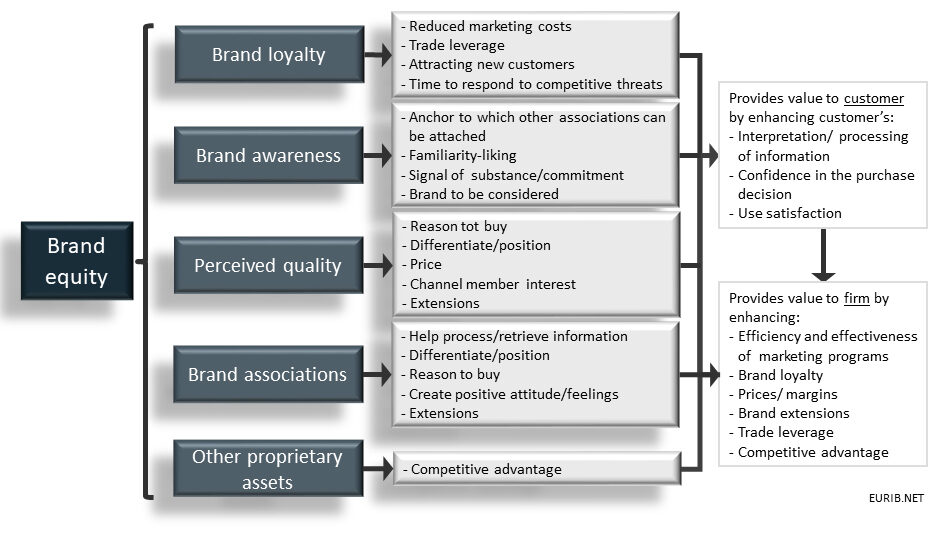
One of the most widely recognized frameworks for building brand equity is Aaker’s Brand Equity Model. Developed by David Aaker, this model identifies four core components of brand equity: Brand Awareness, Brand Associations, Perceived Quality, and Brand Loyalty. By understanding and implementing these components, you can create a powerful digital brand that resonates with your target audience and drives long-term growth.
Understanding Aaker’s Brand Equity Model
Aaker’s Brand Equity Model focuses on building value through the following four pillars:
- Brand Awareness
- Brand Associations
- Perceived Quality
- Brand Loyalty
Let’s explore each of these pillars and how they can be leveraged in your digital brand strategy.
Step 1: Build and Strengthen Brand Awareness
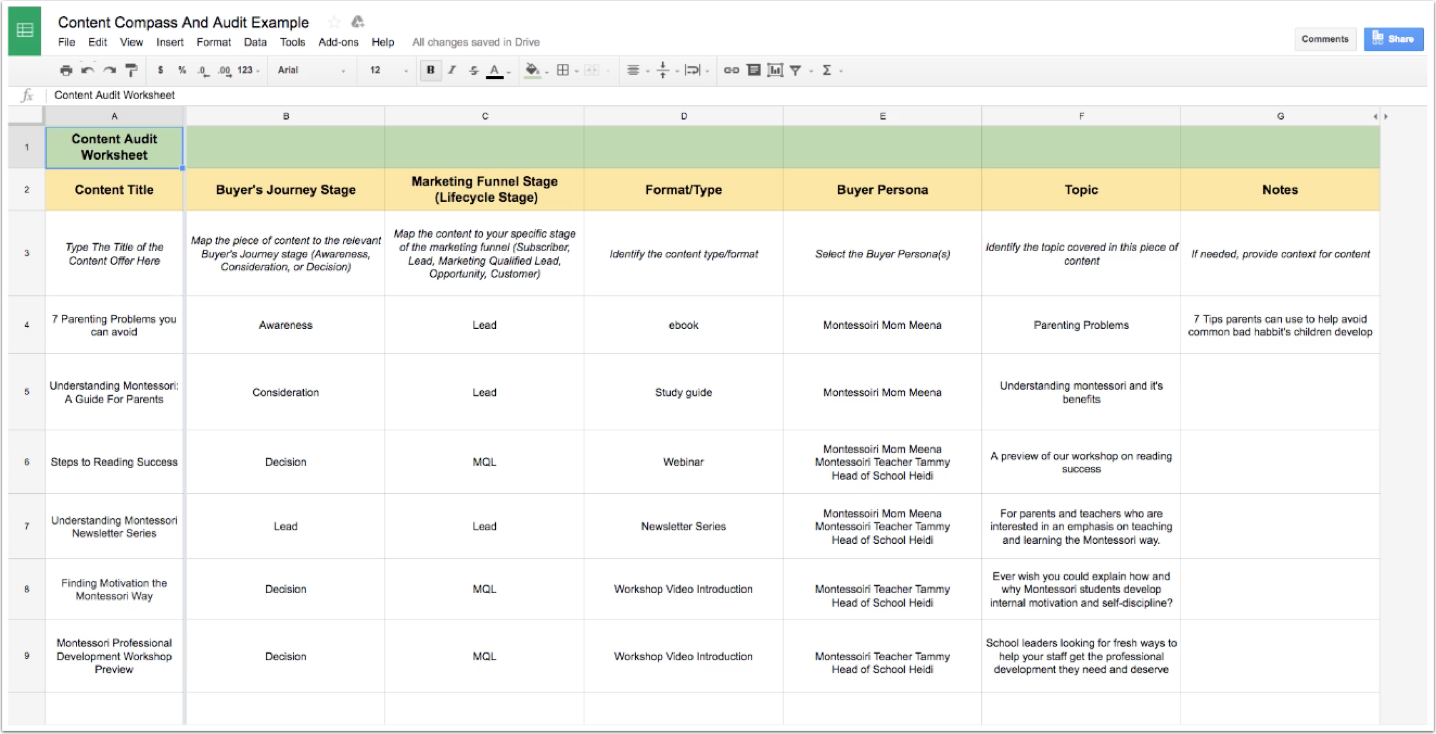
Brand awareness is the foundation of brand equity. It measures how familiar your target audience is with your brand. High brand awareness increases the likelihood that consumers will choose your brand over competitors, even when the differences between products are minimal.
How to Build Brand Awareness:
- Content Marketing: Create educational and engaging content that addresses your audience’s needs and pain points. Focus on blogs, videos, infographics, and social media posts that provide value and showcase your expertise.
- SEO and Paid Search: Invest in search engine optimization (SEO) and paid search campaigns to ensure your brand appears at the top of search results when customers look for relevant products or services.
- Social Media Presence: Establish a consistent and engaging presence on social media platforms where your audience is most active. Use a mix of organic posts and paid advertising to increase visibility.
Example: HubSpot’s Content Marketing Strategy HubSpot has built strong brand awareness through its content marketing efforts. By publishing high-quality, educational content on its blog and offering free tools and resources (like its CRM software), HubSpot positions itself as a trusted leader in the marketing and sales industry. This strategy has significantly boosted its brand recognition and organic search traffic.
Step 2: Create Positive Brand Associations
Brand associations refer to the attributes, emotions, and perceptions that come to mind when consumers think about your brand. Positive brand associations are built through consistent messaging, memorable experiences, and a strong brand story.
Strategies for Building Brand Associations:
- Storytelling: Use storytelling to communicate your brand’s mission, vision, and values. Share the origin story of your company, customer success stories, or behind-the-scenes content that humanizes your brand.
- Consistency Across Channels: Maintain a consistent brand voice, tone, and visual identity across all digital channels. Consistency reinforces positive associations and makes your brand more recognizable.
- Partnerships and Influencer Marketing: Collaborate with influencers, industry partners, or other brands that align with your values to strengthen your brand associations. Partnering with trusted figures can enhance your credibility and connect you with new audiences.
Case Study: Patagonia’s Brand Associations with Sustainability Patagonia has successfully built strong brand associations by aligning its messaging and actions with environmental sustainability. Its “Don’t Buy This Jacket” campaign highlighted the brand’s commitment to reducing waste, resonating with environmentally conscious consumers. As a result, Patagonia is widely associated with sustainability and ethical practices, strengthening its brand equity.
Step 3: Enhance Perceived Quality
Perceived quality refers to the customer’s perception of the overall quality and value of your product or service compared to competitors. It’s not just about the actual quality but how customers perceive your brand’s reliability, features, and benefits.
How to Improve Perceived Quality:
- Invest in Product Development: Ensure that your product or service meets or exceeds customer expectations. High-quality products lead to positive reviews, word-of-mouth referrals, and repeat purchases.
- Leverage Social Proof: Display customer reviews, testimonials, and case studies prominently on your website and social media. Positive feedback from real customers builds trust and reinforces perceived quality.
- Highlight Awards and Certifications: Showcase any industry awards, certifications, or recognitions your brand has received. These endorsements serve as trust signals and boost the perception of quality.
Example: Apple’s Focus on Perceived Quality Apple’s brand equity is largely built on its perceived quality, driven by a consistent focus on product innovation, design excellence, and superior customer service. Apple’s marketing campaigns often emphasize the premium quality and unique features of its products, reinforcing the perception of Apple as a high-quality brand.
Step 4: Foster Brand Loyalty
Brand loyalty is the strongest pillar of brand equity, reflecting customers’ commitment to your brand and their willingness to repurchase or recommend it. Loyal customers are less price-sensitive, more likely to provide positive word-of-mouth, and serve as brand advocates.
Strategies to Build Brand Loyalty:
- Loyalty Programs: Implement a rewards or loyalty program that incentivizes repeat purchases. Offer exclusive discounts, early access to new products, or special rewards for loyal customers.
- Personalized Marketing: Use data-driven insights to deliver personalized experiences and offers that cater to individual customer preferences. Personalized interactions make customers feel valued and understood.
- Exceptional Customer Service: Provide top-tier customer service at every touchpoint. Respond promptly to inquiries, address issues quickly, and go above and beyond to exceed customer expectations.
Case Study: Starbucks Rewards Program Starbucks has built strong brand loyalty through its Starbucks Rewards program. The mobile app offers personalized rewards, exclusive offers, and a seamless payment experience, making it easy for customers to engage with the brand regularly. This strategy has significantly increased repeat purchases and customer retention.
Building Strong Brand Equity
Aaker’s Brand Equity Model provides a comprehensive framework for developing a digital brand strategy that drives strong brand equity. By focusing on building brand awareness, creating positive brand associations, enhancing perceived quality, and fostering brand loyalty, you can create a powerful brand that resonates with your target audience and stands the test of time.
As you implement these strategies, remember that brand equity is not built overnight. It requires consistent effort, strategic investment, and a deep understanding of your audience’s needs and expectations. In the next section, we will dive into Keller’s Customer-Based Brand Equity (CBBE) Model and explore how to create a customer-centric brand strategy that deepens brand resonance and loyalty.
Deepening Brand Resonance with Keller’s Customer-Based Brand Equity (CBBE) Model
In today’s competitive landscape, building a brand that resonates with consumers requires more than just strong awareness and positive associations—it demands creating deep emotional connections. Kevin Lane Keller’s Customer-Based Brand Equity (CBBE) Model offers a powerful framework for achieving this. It focuses on how customers perceive and relate to a brand, emphasizing that strong brand equity is built from the customer’s perspective. For CEOs and CMOs, understanding and applying Keller’s model can help craft a digital brand strategy that goes beyond recognition to foster true brand loyalty and advocacy.
What is Keller’s CBBE Model?
The CBBE Model is structured as a pyramid with four key stages, each building on the previous one:
- Brand Identity: Who are you? (Building Awareness)
- Brand Meaning: What are you? (Creating Associations)
- Brand Response: What do I think or feel about you? (Focusing on Judgments and Emotions)
- Brand Resonance: How do we connect? (Achieving Loyalty and Advocacy)
Let’s break down each stage and explore how you can apply it in your digital brand strategy.
Step 1: Establish a Strong Brand Identity (Brand Salience)
The foundation of Keller’s model is Brand Identity, which focuses on creating brand salience—how easily and often your brand is recalled or recognized by consumers. A strong brand identity ensures that your brand stands out in the minds of your target audience.
How to Build Brand Identity:
- Clear and Consistent Messaging: Ensure that your brand’s core message is consistent across all digital channels, from your website to social media. Use your Unique Value Proposition (UVP) as the anchor for all communications.
- Distinctive Visual Identity: Develop a memorable logo, color palette, and visual style that differentiates your brand and makes it easily recognizable. Use tools like Canva or Adobe Spark to create cohesive visuals.
- SEO and Paid Search: Optimize your online presence with strong SEO and paid search campaigns. Invest in keyword strategies that align with your brand’s core offerings to increase visibility and brand recall.
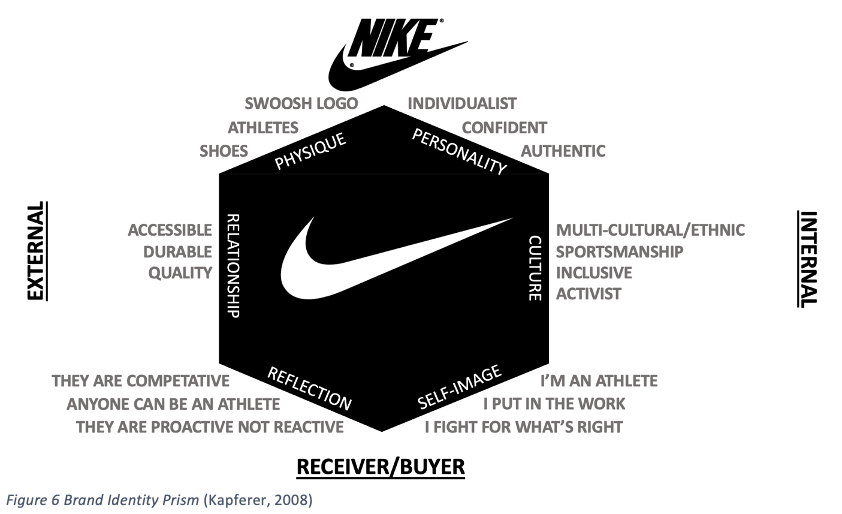
Example: Nike’s Brand Identity Nike’s iconic “Swoosh” logo and the “Just Do It” slogan are instantly recognizable worldwide. The consistency of Nike’s brand identity across its digital touchpoints reinforces brand salience and ensures that consumers can easily recall and recognize the brand, even without explicit mentions.
Step 2: Create Strong Brand Meaning (Brand Performance and Imagery)
Once you’ve established a strong identity, the next step is to create Brand Meaning. This involves building positive associations around your brand by focusing on two key aspects:
- Brand Performance: How well does your product meet the needs and expectations of your customers?
- Brand Imagery: What symbolic associations do customers form with your brand?
How to Build Brand Meaning:
- Highlight Key Features and Benefits: Use your digital channels to showcase product features, benefits, and unique selling points. Leverage video content, product demos, and customer testimonials to illustrate how your product solves specific problems.
- Leverage Storytelling and Imagery: Use storytelling to create an emotional connection with your audience. Share your brand’s mission, vision, and the values you stand for. Use visuals, infographics, and user-generated content to reinforce these stories.
- Align with Customer Values: Tap into cultural trends or causes that resonate with your audience’s values. This alignment can help build deeper emotional connections and enhance brand meaning.
Case Study: Dove’s Brand Meaning Dove has successfully built strong brand meaning through its “Real Beauty” campaign. By focusing on inclusivity and celebrating diverse body types, Dove has created a powerful brand image that aligns with its core values of authenticity and self-acceptance. This consistent messaging has strengthened Dove’s brand associations and resonated deeply with its target audience.
Step 3: Shape Positive Brand Response (Brand Judgments and Feelings)
The third stage of Keller’s model focuses on Brand Response, which is about shaping how customers think and feel about your brand. Positive brand responses are built through strong customer experiences, trust, and emotional connections.
Components of Brand Response:
- Brand Judgments: Customers’ opinions based on perceived quality, credibility, and relevance.
- Brand Feelings: The emotional responses your brand evokes, such as joy, excitement, security, or nostalgia.
How to Shape Brand Response:
- Focus on Customer Experience (CX): Ensure that every interaction, from website navigation to customer service, is smooth and consistent. Use tools like Hotjar to analyze user behavior and identify friction points.
- Build Trust and Credibility: Establish trust by highlighting certifications, industry awards, and customer reviews. Be transparent about your processes, especially in industries where trust is critical (e.g., healthcare, finance).
- Evoke Positive Emotions: Use emotionally-driven content to connect with your audience on a deeper level. Create campaigns that appeal to shared values, aspirations, or important life moments.
Example: Apple’s Emotional Branding Apple’s marketing is centered around creating an emotional response. From its product launches to its minimalist, visually appealing advertisements, Apple evokes feelings of innovation, exclusivity, and creativity. This strong emotional appeal has played a major role in shaping positive brand judgments and deep customer loyalty.

How to Create Emotional Bonds with Your Customers by Neal Schaffer
Step 4: Achieve Brand Resonance (Brand Loyalty and Advocacy)
The ultimate goal of Keller’s CBBE Model is to achieve Brand Resonance, the highest level of customer attachment and loyalty. Brand resonance occurs when customers form a deep psychological bond with your brand, leading to strong advocacy, repeat purchases, and brand evangelism.
How to Achieve Brand Resonance:
- Create a Community: Foster a sense of belonging by building a brand community. Use platforms like Discord, Facebook Groups, or Reddit to create spaces where customers can engage with your brand and each other.
- Encourage Advocacy and Word-of-Mouth: Develop a referral or ambassador program that incentivizes your most loyal customers to spread the word about your brand. Provide exclusive benefits or early access to new products for brand advocates.
- Deliver Consistent Value: Ensure that your product or service consistently meets or exceeds customer expectations. Invest in continuous product improvement and customer support to maintain high satisfaction levels.
Case Study: Tesla’s Brand Resonance Tesla has achieved a high level of brand resonance, with customers who are not just buyers but passionate advocates. Through its focus on innovation, sustainability, and a direct connection with its community (often facilitated by Elon Musk’s active social media presence), Tesla has cultivated a strong, loyal customer base that willingly promotes the brand and participates in Tesla’s mission to accelerate the transition to sustainable energy.
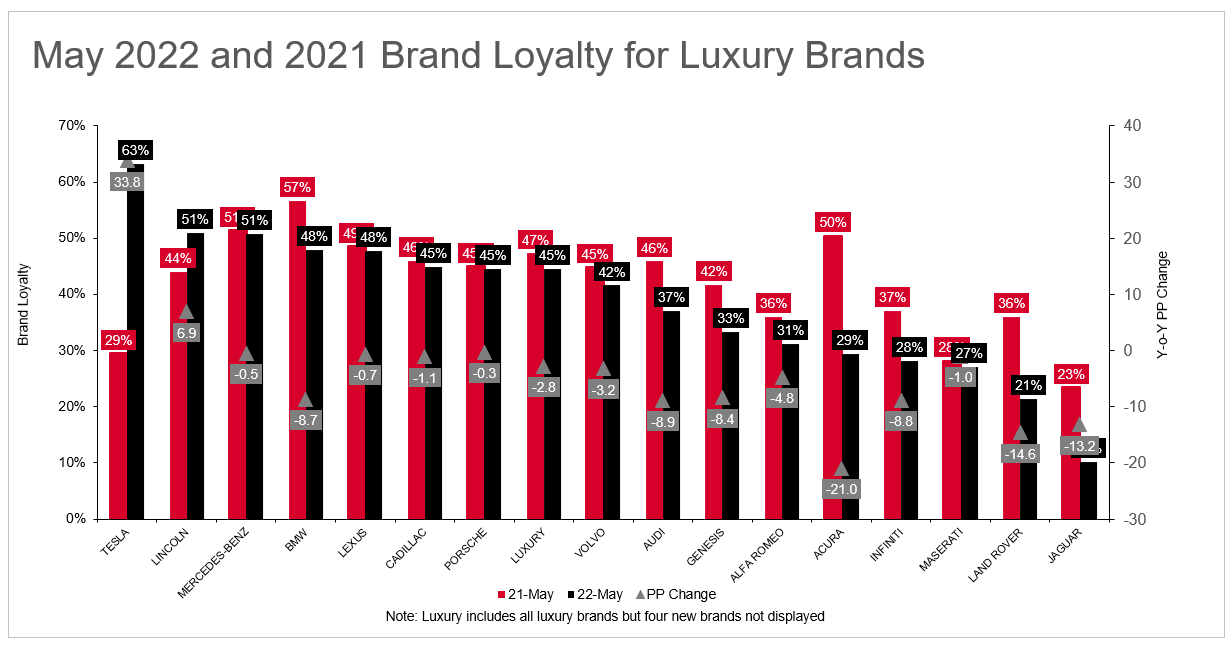
Building Deep Customer Relationships with Keller’s CBBE Model
Keller’s CBBE Model provides a structured, customer-centric approach to building strong brand equity. By progressing through the stages of establishing brand identity, creating meaningful associations, shaping positive responses, and achieving brand resonance, you can develop a brand that not only stands out but also forms lasting connections with its audience.
This model emphasizes that true brand strength comes from understanding and meeting the needs of your customers. By focusing on how customers perceive and relate to your brand, you can create a digital brand strategy that resonates deeply, fosters loyalty, and drives sustained business growth.
In the next section, we will explore how to develop a consistent brand voice and messaging framework, ensuring that your brand’s identity and value proposition are communicated effectively across all digital channels.
Establishing a Consistent Brand Voice and Messaging Framework
In a crowded digital marketplace, your brand voice and messaging are what set you apart and make your brand recognizable, relatable, and memorable. For CEOs and CMOs, developing a consistent brand voice is essential for building trust and forming a strong connection with the target audience. A well-defined voice and messaging framework ensure that your brand’s communication is aligned across all digital touchpoints, from your website and social media to email marketing and customer service interactions.
The Importance of a Consistent Brand Voice
Your brand voice is the distinct personality your brand takes on in its communications. It reflects your company’s values, mission, and culture. A consistent brand voice helps you:
- Build Trust and Recognition: When your brand sounds the same across all channels, it becomes easier for your audience to recognize and trust you.
- Differentiate from Competitors: A unique brand voice can make your brand stand out in a competitive landscape, especially when competing products have similar features.
- Strengthen Emotional Connections: A relatable brand voice that resonates with your audience’s values and preferences can create deeper emotional bonds and increase brand loyalty.
Step 1: Define Your Brand Voice and Tone
Your brand voice should be consistent, but the tone may vary depending on the context or platform. Start by defining the key characteristics of your brand voice, and then outline how the tone should adapt based on the audience and communication channel.
How to Define Your Brand Voice:
- Identify Your Brand’s Core Values: Your brand voice should be an extension of your brand’s core values and mission. If your brand values innovation and creativity, your voice might be bold and inspiring. If you value trust and reliability, your voice might be formal and authoritative.
- Describe Your Brand Personality: Think of your brand as a person. How would it sound? Is it friendly and casual, or formal and sophisticated? Use descriptive adjectives like “confident,” “playful,” or “empathetic” to shape your brand’s personality.
- Create a Voice Chart: Develop a chart that lists your brand voice characteristics alongside examples of how these traits should sound in practice. Include do’s and don’ts to guide your team’s communication style.
Example: Mailchimp’s Brand Voice Mailchimp’s brand voice is casual, friendly, and a bit humorous. Their voice reflects their mission to make email marketing accessible and user-friendly for small businesses. Whether it’s a product update email or a social media post, Mailchimp’s tone remains light-hearted and approachable, making the brand feel more like a helpful friend than a corporate entity.

Step 2: Develop Core Messaging Pillars
Messaging pillars are the key themes or messages that your brand communicates consistently across all channels. These pillars should be directly aligned with your Unique Value Proposition (UVP) and should address the core needs, challenges, and desires of your target audience.
How to Create Messaging Pillars:
- Align with Your UVP: Ensure that your messaging pillars reflect the core benefits and differentiators outlined in your UVP. This alignment helps reinforce your brand’s unique value in every communication.
- Address Customer Pain Points: Focus on the main problems your target audience faces and how your product or service solves them. Use customer feedback, reviews, and social listening to identify recurring pain points.
- Incorporate Emotional and Rational Appeals: Balance emotional messaging (e.g., stories that evoke feelings) with rational messaging (e.g., facts, statistics, product features). This dual approach helps connect with both the heart and the mind of your audience.
Example Messaging Pillars for a Health Tech Brand:
- Empowerment: “We empower you to take control of your health through easy access to comprehensive data and insights.”
- Accuracy: “Our cutting-edge technology provides the most accurate health monitoring and diagnostics available.”
- Support: “Our dedicated customer support team is here to help you every step of the way.”
Case Study: Spotify’s Messaging Consistency Spotify’s messaging pillars focus on personalization, discovery, and user experience. The brand consistently highlights its ability to provide customized playlists, help users discover new music, and deliver a seamless listening experience. This clear, consistent messaging resonates well with Spotify’s music-loving audience and reinforces its position as a leader in music streaming.

Step 3: Create a Brand Style Guide
A brand style guide is an essential tool for ensuring that your brand voice and messaging are consistently applied across all channels and by all team members. It serves as a reference point for anyone creating content, from social media posts to email marketing campaigns.
Key Elements of a Brand Style Guide:
- Voice and Tone Guidelines: Clearly define your brand voice and outline how the tone may vary based on the channel or context. Include specific examples of language that reflects your brand’s personality.
- Messaging Framework: Provide a detailed overview of your core messaging pillars, including key phrases and value statements that should be used in communications.
- Visual Identity Elements: Include guidelines for your logo, color palette, typography, and imagery to ensure visual consistency alongside your written content.
- Examples of Do’s and Don’ts: Offer specific examples of effective messaging and common pitfalls to avoid.
Example: Slack’s Brand Style Guide Slack’s style guide emphasizes a conversational, friendly tone that mirrors the brand’s focus on collaboration and ease of use. It provides examples of language that aligns with its brand voice, such as using contractions, avoiding jargon, and maintaining a positive, approachable tone. This guide helps ensure that all Slack communications feel consistent, whether it’s a tweet, a blog post, or a customer support email.

Step 4: Tailor Your Messaging for Each Digital Channel
While your brand voice should remain consistent, the way you communicate may need to adapt based on the specific platform or context. Different channels have different audiences, purposes, and expectations.
How to Adapt Your Messaging by Channel:
- Website and Blog Content: Focus on clear, informative messaging that addresses customer needs and showcases your expertise. Use a tone that reflects your brand’s personality while maintaining professionalism.
- Social Media: Social media allows for a more casual, interactive tone. Tailor your messaging to fit the platform (e.g., use a fun, visual approach on Instagram, and a professional tone on LinkedIn).
- Email Marketing: Personalize your messaging to address individual customer needs and preferences. Use your brand voice to maintain a conversational tone, but keep the focus on delivering value and clarity.
- Customer Service Interactions: Maintain your brand voice while being empathetic and solution-oriented. Ensure that your messaging is helpful, respectful, and aligned with your brand values.
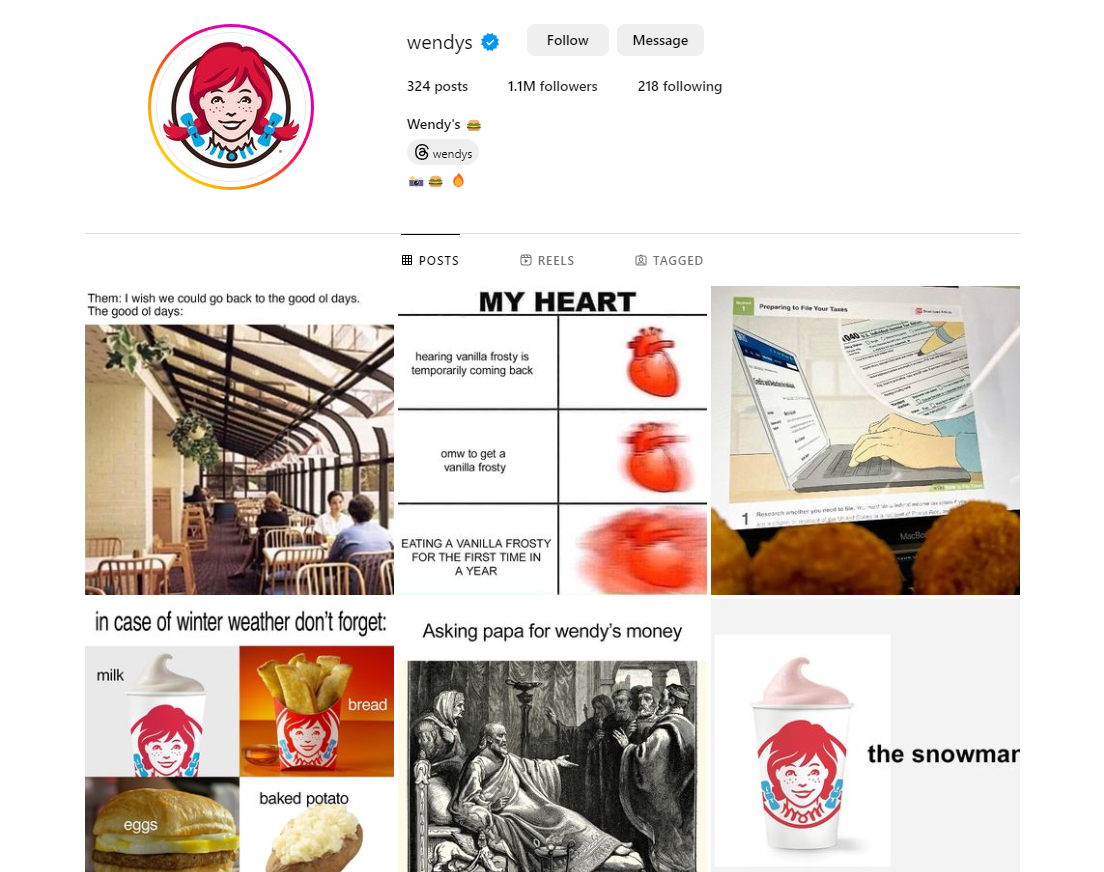
Example: Wendy’s Social Media Strategy Wendy’s has become famous for its witty, playful voice on Twitter. The brand’s tone is casual, humorous, and even a bit cheeky, which resonates well with its younger, social-media-savvy audience. This approach has helped Wendy’s build a strong brand personality and engage users effectively on social media.
The Power of a Consistent Brand Voice and Messaging Framework
A well-defined brand voice and messaging framework are critical for creating a cohesive and memorable digital brand presence. By establishing a clear voice that reflects your brand’s values, developing messaging pillars that align with your UVP, and creating a comprehensive style guide, you can ensure that every piece of communication reinforces your brand identity.
Consistency is key to building trust and recognition. As you adapt your messaging across different channels, remember to stay true to your brand’s core personality while tailoring the tone to fit the context. This approach will help you connect more effectively with your audience, build deeper emotional bonds, and drive long-term engagement.
In the next section, we will explore how to choose the right digital channels for your brand and create a seamless omnichannel experience that amplifies your brand message and meets your audience where they are.
Emotional Branding and Storytelling (Fournier’s Brand Relationship Theory)
In a world saturated with digital content, consumers are increasingly seeking brands they can connect with on a deeper, emotional level. Emotional branding and storytelling offer powerful ways to build these connections by creating memorable, relatable experiences that resonate with your target audience. By using emotional branding and leveraging storytelling techniques, CEOs and CMOs can foster stronger customer relationships and cultivate lasting loyalty.
Understanding Emotional Branding: Why It Matters
Emotional branding focuses on creating a connection with customers by appealing to their emotions, values, and aspirations. It goes beyond the functional benefits of a product and aims to evoke feelings that align with the audience’s experiences and desires.
According to Susan Fournier’s Brand Relationship Theory, brands can be viewed as relationship partners. Just like in human relationships, consumers form bonds with brands based on shared values, experiences, and emotional connections. When a brand successfully taps into the emotions of its audience, it creates a strong, loyal customer base that is more likely to advocate for the brand, forgive mistakes, and make repeat purchases.
Key Benefits of Emotional Branding:
- Increased Customer Loyalty: Emotionally connected customers have a 306% higher lifetime value and are more likely to recommend the brand.
- Higher Brand Differentiation: In markets with similar products, emotional branding can be the key differentiator that sets your brand apart.
- Deeper Customer Engagement: Emotionally driven content is more engaging and shareable, resulting in higher levels of interaction on social media and other platforms.
Example: Coca-Cola’s Emotional Branding Coca-Cola’s branding focuses on happiness, friendship, and shared moments. Its “Share a Coke” campaign personalized the product with names, encouraging customers to share a Coke with friends and loved ones. This emotional appeal to connection and joy resonated deeply with consumers, making it one of Coca-Cola’s most successful campaigns.